Mary Nightingale Illness: Understanding the Rumors, Health Discussions, and Public Curiosity

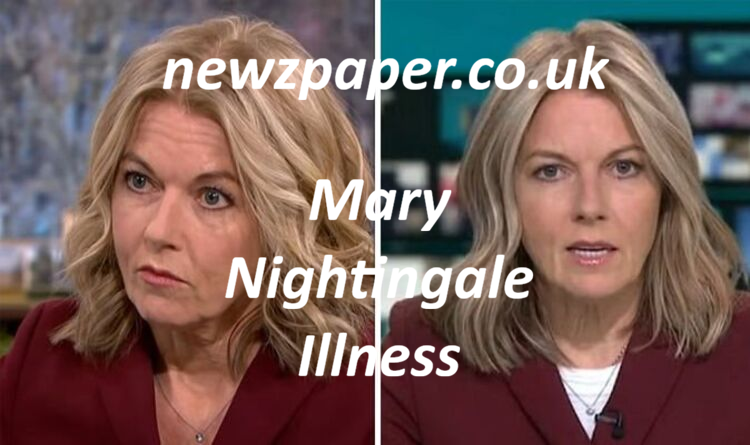
When people search for the term “mary nightingale illness,” they are usually trying to understand whether the respected British news presenter has faced any serious health challenges. As a long-standing ITV News anchor, Mary Nightingale has built a reputation for professionalism, calm authority, and consistency. Naturally, when a public figure of her stature is absent from the screen or appears different in any way, speculation tends to follow.
In the age of social media, even the smallest change can spark widespread rumors. However, it is important to separate verified information from online assumptions. Discussions around Mary Nightingale’s health largely stem from public curiosity rather than confirmed reports of major illness. That distinction matters.
This article takes a balanced, expert look at the topic. We will explore where the rumors may have originated, how public figures’ health becomes a subject of conversation, and why responsible reporting is essential when discussing matters like Mary Nightingale’s illness.
Who Is Mary Nightingale? A Brief Professional Overview
Mary Nightingale is one of the most recognized faces in British television journalism. She has been a central figure at ITV News for decades, anchoring flagship programs and covering major national and international events. Her career is defined by stability, credibility, and composure under pressure.
Over the years, Nightingale has reported on elections, royal events, global crises, and breaking news stories with professionalism. That consistent on-screen presence has made her a familiar and trusted figure in many households. When someone appears regularly in people’s living rooms for years, audiences feel a sense of connection.
This familiarity is precisely why the topic of “mary nightingale illness” gains attention. When viewers notice an absence or any visible change, questions naturally arise. However, it is essential to remember that being in the public eye does not eliminate a person’s right to privacy, especially regarding health matters.
Where Did the “Mary Nightingale Illness” Searches Come From?
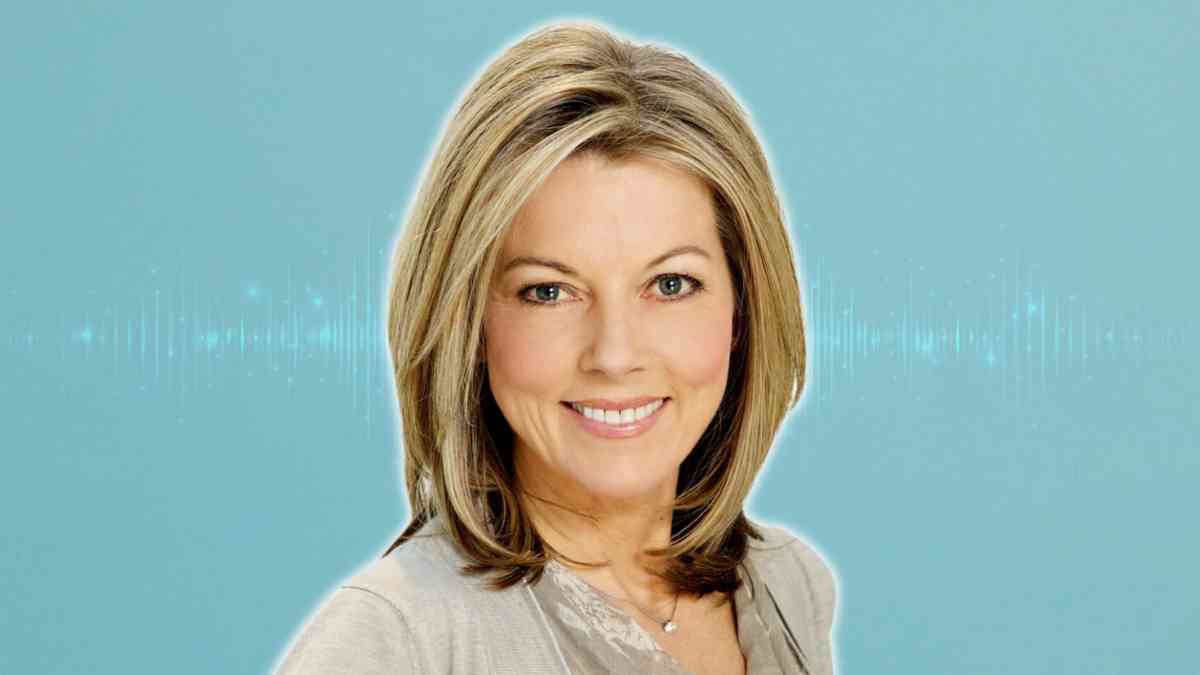
Search trends often Mary Nightingale Illness reflect curiosity rather than confirmed events. In many cases, when a public figure takes time off or appears slightly different on camera, online discussions begin. These discussions can quickly turn into search spikes for terms like “mary nightingale illness.”
There has been no widely confirmed or officially reported serious illness linked to Mary Nightingale in recent years. Most online queries seem to stem from speculation rather than fact. Sometimes, even routine breaks from broadcasting schedules can fuel unnecessary assumptions.
Another factor is the nature of digital culture. Audiences today are hyper-observant. Changes in appearance, voice tone, or broadcast frequency are immediately noticed and discussed. While curiosity is natural, it does not always mean there is a significant health issue behind it.
The Reality of Health and Public Figures
When discussing Mary Nightingale’s illness, it is important to approach the topic responsibly. Public figures, including journalists, are human beings. They experience the same range of health challenges as anyone else, whether minor or serious.
However, unlike private individuals, their personal lives are often scrutinized. If they choose to keep health matters private, that decision should be respected. Not every absence or schedule adjustment is a medical emergency. Sometimes it is simply annual leave, family commitments, or routine professional scheduling.
Experts in media ethics consistently emphasize that speculation about a person’s health without confirmation can be harmful. It creates unnecessary rumors and can place undue stress on the individual involved. Responsible reporting requires verified information, not assumptions.
How Media Speculation Impacts Public Perception
The phrase “mary nightingale illness” demonstrates how quickly public perception can shift. Even without verified reports, repeated searches can give the impression that something serious has occurred. This is a common phenomenon in the digital age.
Search engines amplify what people are curious about. If enough users type a phrase into a search bar, it becomes a trending query. That does not necessarily mean there is credible evidence behind it. It simply reflects collective interest.
For journalists and media professionals, this is an interesting case study. Mary Nightingale herself has spent decades delivering verified news to audiences. Ironically, she becomes the subject of unverified speculation simply because of online curiosity. It highlights the contrast between professional journalism and social media rumor cycles.
The Importance of Privacy in Health Matters
Health is deeply personal. Even for public figures, medical information is not automatically public property. While some celebrities choose to share health journeys openly, others prefer privacy. Both approaches deserve respect.
In the case of Mary Nightingale, there has been no major public announcement regarding serious illness. Without confirmed statements from reliable sources, it would be irresponsible to speculate further. Respecting privacy is not only ethical; it is essential.
Medical professionals and media analysts alike stress that unnecessary public speculation can create anxiety for families and fans alike. It can also distract from the individual’s professional accomplishments. Instead of focusing on unverified health rumors, it is more productive to appreciate Nightingale’s decades of journalistic contribution.
Why Audiences Feel Concerned
The curiosity surrounding Mary Nightingale’s illness is not always negative. In many cases, it reflects genuine concern. Viewers develop trust in news presenters because they invite them into their homes daily. That familiarity builds a sense of connection.
When a trusted anchor is absent, audiences naturally want reassurance. This concern is often rooted in appreciation rather than gossip. People care about those who have consistently delivered important information during critical moments in history.
However, there is a fine line between concern and speculation. Responsible audiences understand that unless there is an official statement, assumptions are unnecessary. Trust works both ways: just as viewers trust journalists, they should also trust that any significant information would be communicated appropriately.
Media Responsibility and Ethical Reporting
As an expert-level discussion, it is important to highlight media ethics in conversations about Mary Nightingale’s illness. Journalists are trained to verify facts before publishing. Ironically, when journalists themselves become subjects of rumors, the same standards are not always applied by online commentators.
Ethical reporting requires clear sourcing, confirmation, and context. Health rumors without evidence do not meet that standard. In fact, spreading unverified claims can damage reputations and cause unnecessary harm.
This situation serves as a reminder of why professional journalism remains essential. Mary Nightingale’s own career is built on delivering accurate information. Applying that same standard to discussions about her health is simply fair and responsible.
The Bigger Picture: Public Curiosity in the Digital Era
The surge in searches for “mary nightingale illness” also reflects a broader cultural shift. In the digital era, information spreads rapidly. Curiosity turns into trending keywords almost instantly.
Algorithms prioritize what people search for, not necessarily what is confirmed. This creates an environment where speculation can appear more substantial than it actually is. It is a modern challenge for public figures and media organizations alike.
Understanding this context helps explain why such search terms gain traction. It is less about verified illness and more about how digital platforms amplify curiosity. Recognizing this dynamic allows audiences to approach online information with a more critical mindset.
Conclusion: Facts Over Speculation
The keyword “mary nightingale illness” continues to generate interest, but there is no widely confirmed evidence of a serious health condition publicly disclosed in recent years. Most online searches appear to stem from curiosity rather than verified reports.
Mary Nightingale remains a respected and influential figure in British journalism. Her long-standing career, professionalism, and credibility speak louder than unverified rumors. As audiences, the most responsible approach is to rely on confirmed information and respect personal privacy.
You May Also Read