

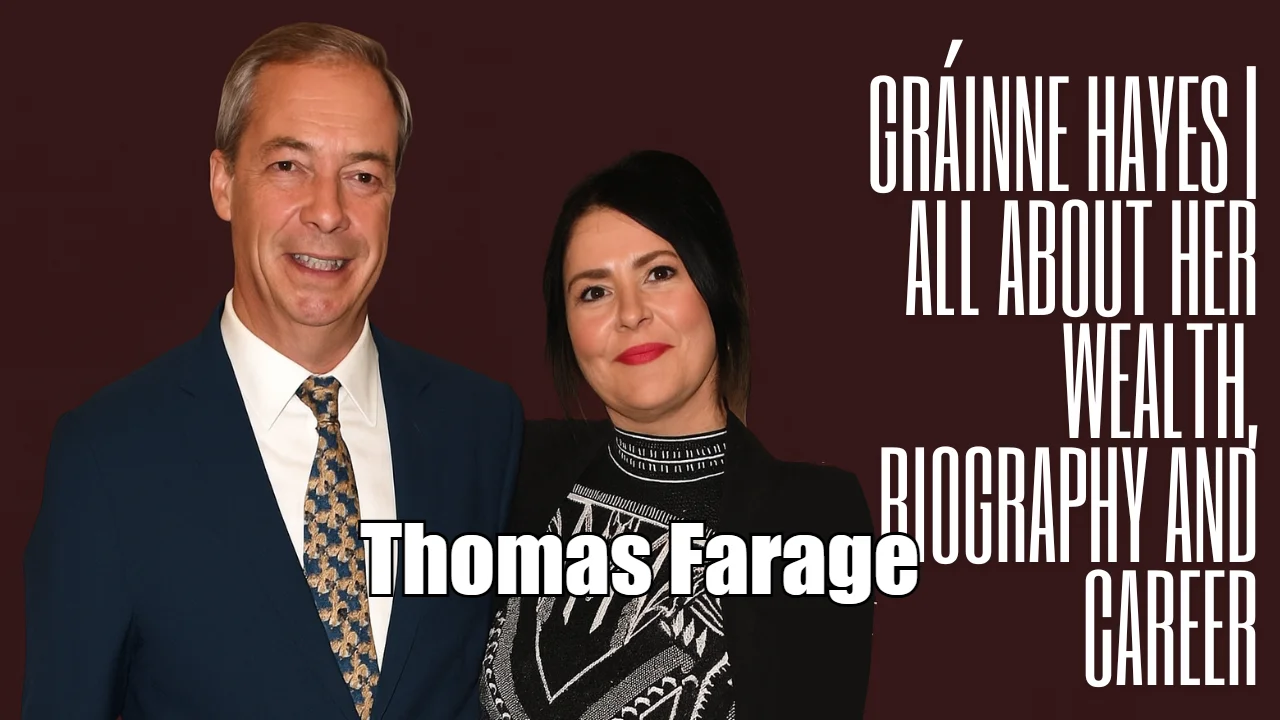
In recent years, the name Thomas Farage has steadily gained attention across political discussions, online forums, and public interest media. Whether the curiosity stems from family connections, emerging influence, or growing public visibility, people increasingly search for reliable information that explains who he is and why his name appears in modern conversations.
This comprehensive guide explores the background, identity, and broader context surrounding Thomas Farage, presenting a detailed, research-driven overview designed to answer the most common questions readers have. Rather than focusing only on surface-level facts, the article dives deeper into historical context, family associations, public interest, and the evolving narrative around the individual.
Throughout this guide, readers will find a balanced and informative exploration of key topics such as early background, public perception, generational influence, media curiosity, and the broader political environment that contributes to interest in figures like Thomas Farage. The goal is to create a definitive resource that provides clarity, context, and meaningful insight.
By the end of this article, readers will not only understand the story behind the name but also gain a clearer picture of why interest in individuals connected to influential political circles continues to grow in modern society.
The Background and Origins Behind the Name
Understanding the background behind the name requires looking beyond simple biographical facts and examining the broader environment that shapes public interest. When people encounter unfamiliar names tied to political families or influential networks, curiosity naturally follows. The same dynamic has contributed to the growing attention surrounding Thomas Farage.
Names associated with recognizable political identities often carry historical and cultural significance. In this context, Thomas Farage represents a point of interest not only because of personal identity but also due to how family lineage and political discourse intersect. Public curiosity tends to expand when individuals emerge within environments already associated with influence, leadership, or public debate.
Family Context and Generational Identity

Family heritage frequently plays a powerful role in shaping how individuals are perceived by the public. In many cases, children or relatives of political figures grow up surrounded by discussions of policy, governance, and national issues. This environment naturally influences personal perspectives and life experiences.
For Thomas Farage, public curiosity often revolves around understanding how generational ties may shape personal direction or worldview. While family association alone does not determine a person’s future role, it can shape expectations placed upon them by observers, journalists, and political analysts interested in generational continuity.
Public Interest and Media Curiosity
Media curiosity frequently develops when individuals connected to recognizable public figures become visible in social or professional contexts. Journalists, commentators, and digital audiences naturally begin asking questions about their education, career ambitions, and potential influence.
The interest surrounding Thomas Farage reflects a broader cultural pattern in which political families attract continued attention across generations. Even when individuals maintain relatively private lives, the surrounding curiosity can still drive public conversation, especially in an era dominated by digital information sharing and rapid news cycles.
Early Life and Educational Environment
Early life experiences often shape the values and perspectives individuals carry into adulthood. Educational environments, in particular, expose young people to diverse viewpoints and critical thinking opportunities that influence how they interpret social and political issues.
Although specific details may vary across sources, discussions about Thomas Farage frequently explore how upbringing and schooling environments contribute to personal development. Observers are often interested in whether early influences encourage academic pursuits, public service interests, or entirely different professional paths.
Social and Cultural Influences
Cultural context plays a powerful role in shaping how individuals engage with society. People raised in environments closely connected to politics, journalism, or public discourse often develop heightened awareness of social issues and civic responsibilities.
For Thomas Farage, the cultural influences surrounding his upbringing form part of the broader conversation. Observers frequently analyze how social exposure, intellectual environments, and public discussions might influence personal beliefs or long-term ambitions.
The Role of Political Families in Public Life
Political families have existed throughout modern democratic history. In many countries, leadership roles and public service traditions sometimes continue across generations, though each individual ultimately defines their own path.
The interest in Thomas Farage fits into this broader historical pattern. When a surname becomes associated with strong political opinions or national debate, audiences naturally wonder whether future generations might follow similar trajectories or forge entirely new directions.
Public Perception and Online Discussions
Online platforms have dramatically transformed how people learn about public figures. Social media conversations, digital publications, and discussion forums allow curiosity to spread rapidly, often creating narratives that evolve quickly.
Public perception surrounding Thomas Farage has developed largely through these online environments. Search trends, commentaries, and speculation sometimes shape broader awareness even when verified information remains limited, demonstrating the powerful influence of digital discourse in shaping modern reputations.
How Media Narratives Develop Around Emerging Figures
Media narratives often evolve gradually as journalists and audiences gather information over time. In the early stages of public awareness, coverage typically focuses on background, connections, and possible future influence.
The conversation surrounding Thomas Farage illustrates how media narratives can begin with curiosity rather than concrete events. As more information becomes available, reporting often shifts from speculation toward more detailed analysis of personal achievements or public contributions.
Generational Influence in Political Culture
Political culture frequently reflects generational change. Younger members of politically active families may adopt different viewpoints, embrace new policy priorities, or approach leadership roles in innovative ways.
In discussions about Thomas Farage, observers often explore whether generational perspectives might influence how individuals interpret political traditions. Younger generations frequently balance inherited public awareness with contemporary social values, creating unique combinations of continuity and change.
Public Figures and the Challenge of Privacy
Maintaining personal privacy can be difficult for individuals connected to widely recognized public figures. Even when someone prefers a quiet life away from public attention, curiosity from media and audiences may still create pressure.
Thomas Farage represents a case where public interest intersects with personal privacy considerations. Many individuals in similar positions navigate this balance carefully, choosing when to engage publicly and when to maintain a more private lifestyle.
The Influence of Modern Digital Search Culture
Search engines and digital platforms have changed how people explore information about individuals connected to public life. Even small mentions can quickly evolve into widely searched topics as curiosity grows.
The rising number of searches for Thomas Farage reflects this digital phenomenon. Once a name begins appearing in online discussions, search interest can expand rapidly as readers seek reliable explanations and background information.
Understanding Public Curiosity About Political Lineages
Public fascination with political lineages is not new. Throughout history, audiences have been interested in how family heritage influences leadership development, ideology, and public roles.
Interest in Thomas Farage follows this pattern. Observers naturally want to understand how generational context shapes personal identity, even if the individual ultimately chooses a career outside politics or public leadership.
Media Literacy and Responsible Interpretation
In the modern media environment, readers must often navigate a mix of speculation, commentary, and verified information. Responsible interpretation requires distinguishing between confirmed facts and assumptions based on limited data.
When researching topics like Thomas Farage, audiences benefit from applying media literacy skills. Evaluating sources carefully ensures that curiosity leads to informed understanding rather than the spread of incomplete narratives.
How Public Narratives Evolve Over Time
Public narratives rarely remain static. As individuals grow older, pursue careers, and participate in different professional environments, the stories surrounding them naturally evolve.
The narrative surrounding Thomas Farage may continue to develop as new milestones, achievements, or public appearances shape the broader understanding of his identity and contributions.
Influence of Political Environment on Public Interest
Political climates often influence which individuals receive media attention. During periods of intense debate or shifting ideological landscapes, audiences become especially curious about people connected to influential figures.
In this context, Thomas Farage attracts attention partly because the broader political environment encourages discussions about generational leadership and future influence.
Generational Perspectives on Leadership
Younger generations frequently approach leadership differently than their predecessors. Modern leaders often emphasize digital engagement, social awareness, and global perspectives shaped by technological connectivity.
Observers analyzing Thomas Farage sometimes discuss how generational shifts might influence leadership styles, communication methods, and policy interests should younger figures eventually enter public roles.
The Intersection of Identity and Public Expectation
Individuals connected to prominent families often face expectations that extend beyond their personal ambitions. Society sometimes assumes future paths based on family history, even when individuals choose different directions.
Thomas Farage represents a figure navigating this intersection of identity and expectation. Public curiosity can create narratives before individuals even define their own professional journeys.
Social Media and the Amplification of Curiosity
Social media platforms have dramatically accelerated how quickly names gain public visibility. Even minor mentions can trigger waves of speculation and interest as users share information widely.
The growing digital footprint around Thomas Farage highlights how online platforms amplify curiosity. Within hours, discussions can spread across communities that may have had no prior awareness of the individual.
Public Identity in the Digital Age
Building a public identity today often happens gradually through digital visibility rather than traditional media exposure. Personal achievements, academic milestones, or professional developments can quickly become topics of discussion online.
For Thomas Farage, any emerging public identity will likely develop within this modern digital landscape, where audiences continuously observe, interpret, and discuss evolving personal narratives.
Key Factors Driving Public Interest
Several recurring factors tend to drive public curiosity about individuals connected to influential families. These elements help explain why certain names appear frequently in search trends and media discussions.
The table below highlights some of the most common drivers of interest.
| Factor | Explanation | Impact on Public Curiosity |
| Family Association | Connection to well-known public figures | Creates immediate recognition |
| Media Mentions | Appearances in news or commentary | Increases search interest |
| Political Context | Ongoing national debates | Encourages speculation |
| Generational Narrative | Questions about future leadership | Sustains long-term curiosity |
| Digital Amplification | Social media discussion | Rapid spread of awareness |
A Perspective on Public Curiosity
The fascination with individuals connected to political circles often reflects broader human curiosity about leadership, influence, and social change.
As one political commentator once noted:
“Public interest in political families is rarely about a single person—it’s about the story of influence, legacy, and the possibility of future leadership.”
This perspective helps explain why figures such as Thomas Farage attract attention even when their personal careers remain largely private.
What the Future Might Hold
Predicting the future direction of any individual is challenging, particularly when public information remains limited. However, interest surrounding Thomas Farage suggests that audiences will continue watching for signs of professional development or public engagement.
Whether that future involves politics, business, academia, or another field entirely, the ongoing curiosity demonstrates how strongly society responds to names associated with public influence.
Conclusion
The story behind Thomas Farage reflects a broader cultural pattern in which individuals connected to political environments naturally attract public attention. Curiosity about background, upbringing, and potential influence often emerges long before a person defines their own professional path.
Throughout this guide, we explored the many factors contributing to this interest—from generational influence and media narratives to digital search culture and social curiosity. These elements combine to create a narrative environment where names associated with recognizable families become subjects of ongoing discussion.
Ultimately, understanding Thomas Farage requires looking beyond speculation and recognizing the broader social dynamics that shape public interest. As time progresses and new information emerges, the story may evolve further, providing greater clarity about personal achievements, professional direction, and potential influence.
For now, the fascination surrounding Thomas Farage offers an insightful example of how identity, family heritage, and digital curiosity intersect in the modern information landscape.
FAQ
Who is Thomas Farage?
Thomas Farage is an individual whose name has gained public attention largely due to family associations and growing online curiosity surrounding his background and potential influence.
Why is Thomas Farage being searched online?
Interest in Thomas Farage has increased because audiences often research individuals connected to well-known political families or emerging public figures.
Is Thomas Farage involved in politics?
There is no widely confirmed information indicating that Thomas Farage currently holds a formal political role, although public curiosity continues to explore possible future paths.
What is known about the background of Thomas Farage?
Discussions about Thomas Farage typically focus on family context, upbringing, and the broader social environment that shapes public perception.
Will Thomas Farage become a public figure?
It remains uncertain whether Thomas Farage will pursue a public career, but ongoing curiosity suggests that audiences will continue following any developments related to his life and achievements.

